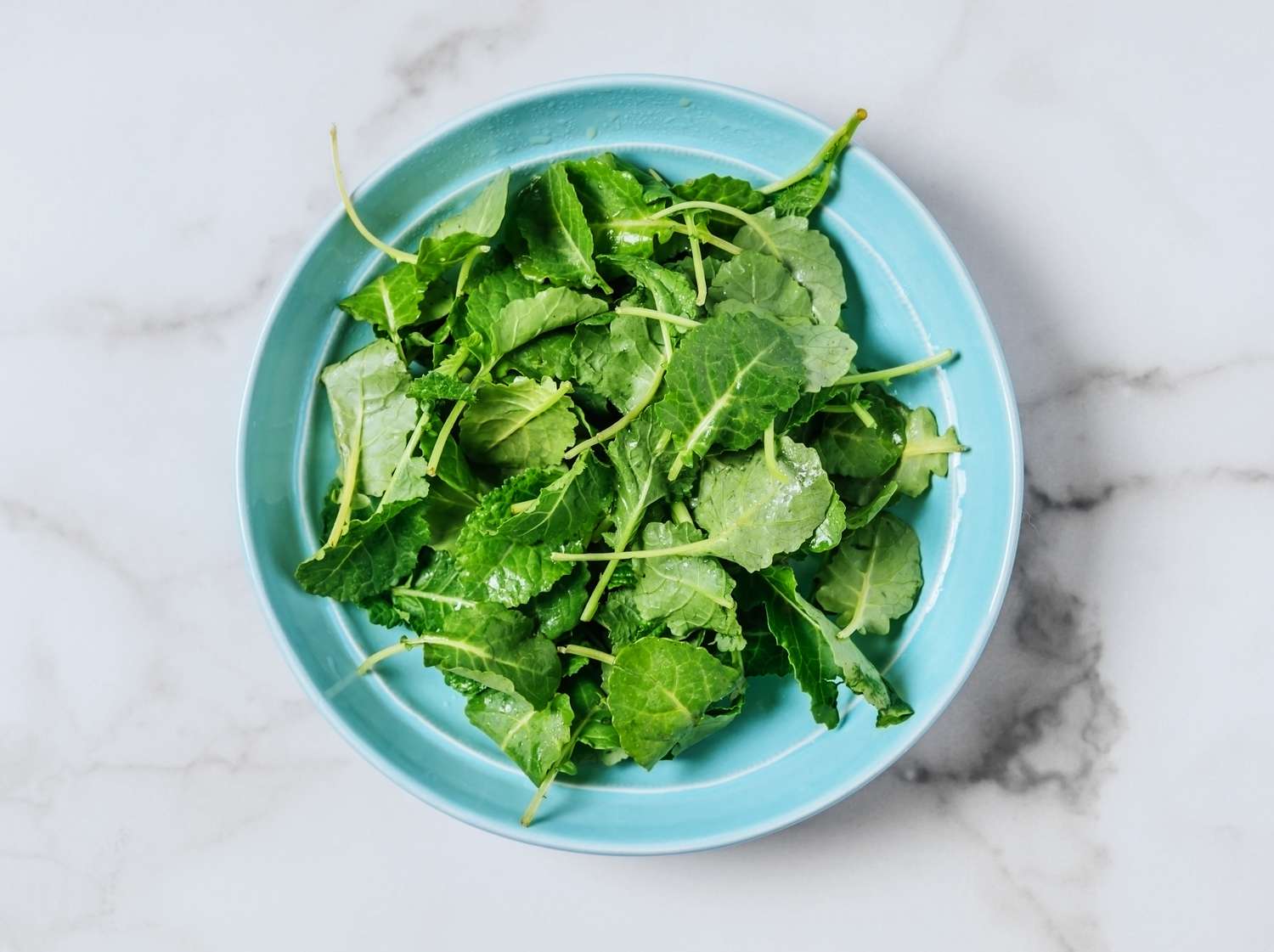
The Queen of Greens: Why Kale Deserves Your Storage Attention
Kale, often crowned "The Queen of Greens," is a nutritional powerhouse that has graced plates and delighted health enthusiasts for centuries. Packed with an impressive array of vitamins (K, A, C), fiber, and powerful antioxidants, it's a staple for boosting overall wellness. From hearty salads and vibrant smoothies to savory sautés and comforting soups, kale's versatility makes it a star ingredient in countless dishes.
However, despite its robust appearance and resilient growth in the garden, kale shares a common vulnerability with many leafy greens: a tendency to wilt and lose its crisp vitality quickly if not stored correctly. That beautiful, vibrant bunch you bring home from the market can turn limp and less appealing in just a few days, leading to food waste and a missed opportunity to enjoy its full nutritional benefits. Understanding the secrets to proper kale storage isn't just about saving money; it's about preserving its fresh flavor, crunchy texture, and maximizing its nutrient density for weeks.
The Aluminum Foil Secret: Keeping Kale Crisp for Weeks
Imagine enjoying crisp, vibrant kale that tastes as fresh as the day you bought it, even two or three weeks later. The secret, surprisingly simple yet incredibly effective, lies in a common kitchen item: aluminum foil. This isn't just a kitchen hack; it's a science-backed method that creates an optimal environment for extending kale's shelf life significantly.
Why Aluminum Foil Works Wonders
The primary enemies of fresh kale are moisture loss and excessive moisture accumulation, combined with exposure to air. Aluminum foil acts as a brilliant protective barrier. Unlike plastic, which can trap gases and moisture, foil allows for slight breathability while still preventing rapid dehydration. It creates a micro-environment that slows down the ripening process, guarding against both wilting and premature spoilage caused by trapped humidity or direct air exposure. This technique ensures your kale retains its crispness and vitality for an extended period, allowing you to get the most out of your leafy greens while minimizing food waste.
Preparing Your Kale for Storage: The Golden Rules
Before you even reach for the foil, a few crucial preparation steps will lay the foundation for long-lasting freshness:
- Rule 1: Don't Wash Until Ready to Use. This is perhaps the most critical rule for long-term storage. Introducing moisture to kale before refrigeration accelerates spoilage by creating a breeding ground for bacteria. If your store-bought kale feels damp, gently pat it dry with a clean kitchen towel or paper towels before storing. Ensuring the kale is completely dry is paramount to extending its freshness.
- Rule 2: Inspect and Discard. Before storing, quickly inspect your kale leaves. Remove any yellowed, bruised, or damaged leaves. These can promote decay and affect the freshness of the entire bunch.
- Rule 3: Consider the Stem. For whole bunches, keeping the stem intact can help maintain hydration. If storing chopped kale, you'll want to remove the tough, fibrous stems before chopping.
Method 1: Storing Whole Kale Bunches with Foil
This is the gold standard for preserving whole kale for weeks.
- Ensure Dryness: As mentioned, make sure your kale is completely dry. If it's fresh from the garden or a bit damp from the store, gently pat it dry.
- Wrap Tightly: Take a large piece of aluminum foil – ideally extra-wide foil if you have it, to minimize seams. Wrap the entire bunch of kale completely and snugly in the foil. Think of it as creating an airtight (but slightly breathable) package. You might need two pieces of foil, one from the top and one from the bottom, to ensure full coverage. The tighter the wrap, the better the seal against air and unwanted moisture fluctuations.
- Refrigerate: Place the foil-wrapped kale in the crisper drawer of your refrigerator. The crisper drawer is designed to regulate humidity, providing an even better environment for your greens.
- Retrieve and Re-wrap: Whenever you need some kale, simply unwrap the bunch, take off the desired amount of leaves, and then re-wrap the remaining kale tightly in the foil, making sure it's fully covered again.
For a detailed visual guide on this revolutionary technique, check out our related article:
Aluminum Foil Trick: Keep Kale Fresh & Crisp For Weeks.
Method 2: Storing Chopped Kale for Everyday Use
If you prefer the convenience of pre-chopped kale, you can still achieve extended freshness, especially with the foil method.
- Prepare and Chop: Remove the tough, central stems from the kale leaves. You can either tear the leaves into bite-sized pieces with your hands (my preferred method for its rustic charm) or use a sharp knife for a cleaner cut.
- Ensure Dryness: Again, ensure your chopped kale is thoroughly dry before storage.
- Foil Method for Chopped Kale (Long-Term): Place the dry chopped kale into a resealable bag or a glass container. Then, wrap the entire bag or container (if not airtight) in aluminum foil, or place a layer of foil directly over the kale inside the container before sealing. This combines the benefits of a contained space with the protective barrier of foil. Press out as much air as possible if using a bag.
- Alternative (Shorter-Term): For use within a few days, place the dry chopped kale directly into a resealable plastic bag, pressing out excess air, or an airtight glass or plastic container. While this method is good, it typically won't keep kale as crisp for as long as the foil method.
- Refrigerate: Store your chopped kale in the crisper drawer.
Beyond the Fridge: Freezing Kale for Extended Shelf Life
Sometimes, you have more kale than you can possibly consume fresh, even with the best storage methods. Freezing is an excellent option for preserving large quantities of kale, especially for use in cooked dishes, smoothies, or soups. While frozen kale won't retain its crisp texture for raw salads, it will maintain its nutritional value and flavor for months.
- Wash and Chop: Unlike fresh storage, you *must* wash kale thoroughly before freezing. Remove any tough stems and chop the leaves into your desired size.
- Blanch: This crucial step helps preserve color, flavor, and nutrients. Bring a large pot of water to a rolling boil. Add the chopped kale and blanch for 1-2 minutes until vibrant green.
- Ice Bath: Immediately transfer the blanched kale to a bowl of ice water. This stops the cooking process and helps retain its bright color.
- Drain and Dry: Drain the kale completely and pat it as dry as possible using a clean kitchen towel or paper towels. Excess water can lead to freezer burn.
- Pre-freeze: Spread the dried, blanched kale in a single layer on a baking sheet lined with parchment paper. Freeze until solid (this prevents clumping).
- Package and Store: Once frozen solid, transfer the kale to freezer-safe bags or containers. Press out as much air as possible, label with the date, and store in the freezer for up to 8-12 months.
Frozen kale is perfect for adding directly to smoothies, soups, stews, casseroles, or sautés.
Common Kale Storage Mistakes to Avoid
Even with the best intentions, certain practices can inadvertently shorten your kale's lifespan. Be mindful of these common pitfalls:
- Washing Before Storage: As emphasized, moisture is the enemy of fresh kale. Never wash your kale until you're ready to use it. If it's wet from the store, dry it thoroughly.
- Leaving Kale Exposed: Simply tossing kale into the fridge without any wrapping exposes it to drying air, causing rapid wilting. Always use a protective barrier like aluminum foil.
- Using Only Plastic Bags Without Air Removal: While plastic bags can work for very short-term storage, they often trap ethylene gas (which kale produces in small amounts) and moisture, accelerating decay. If using plastic, ensure you remove as much air as possible.
- Ignoring Damaged Leaves: Bruised or yellowing leaves can spread decay to the entire bunch. Always remove them before storage.
- Storing in the Wrong Spot: Avoid storing kale near ethylene-producing fruits like apples, bananas, or tomatoes in the fridge, as these can hasten ripening and spoilage of your greens. The crisper drawer is your best friend for leafy greens.
Mastering the art of drying your greens is fundamental to their longevity. For more insights on this crucial step, read our guide:
Kale Prep & Store: Dry Greens for Weeks of Crisp Freshness.
Conclusion
Say goodbye to prematurely wilted greens and hello to weeks of fresh, vibrant kale! By understanding the simple science behind proper storage, especially the transformative power of aluminum foil, you can significantly extend the life of this nutrient-dense vegetable. Whether you're storing whole bunches in the fridge or freezing large quantities for future use, these methods empower you to reduce food waste, save money, and ensure you always have access to the "Queen of Greens" at its peak freshness. Implement these tips today and truly master
how to store kale to last for weeks, making this superfood a consistent and delightful part of your healthy lifestyle.